By addressing digestive issues early, a comprehensive health approach is promoted, considering both physical and emotional aspects, contributing to the patient’s overall well-being

Inflammatory bowel diseases are chronic conditions that cause inflammation in the gastrointestinal tract.
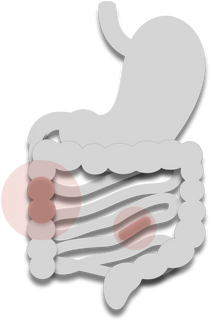
Inflammatory bowel diseases (IBD), such as Crohn’s disease and ulcerative colitis, are chronic disorders of the digestive system. These conditions can affect different parts of the digestive tract, resulting in symptoms such as abdominal pain, diarrhea, weight loss, and fatigue.
At ICAdig, we address these conditions with a comprehensive approach, from diagnosis to treatment and ongoing management.
The exact causes of IBD are complex and may involve genetic, environmental, and immunological factors. Identifying specific triggers is crucial for effective management.
It is believed that there is a complex interaction among these factors that contributes to the development of these conditions. Below are some of the factors considered possible triggers of IBD.
There is a clear genetic predisposition to developing IBD. People with a family history of these diseases have a higher risk.
Although the relationship between diet and IBD is not fully understood, some studies suggest that certain dietary patterns may influence the risk and severity of IBD.
While stress is not considered a direct cause of IBD, it can play a role in its exacerbation. A stressful lifestyle or traumatic events may negatively affect intestinal health.
As with other autoimmune diseases, genetic factors are necessary but not sufficient for the development of inflammatory changes. Environmental factors from diet, surroundings, and the biological components of the ecosystem known as the gut microbiota—which includes viruses, bacteria, archaea, and fungi—may act as triggers in this context.
An abnormal and poorly controlled immune response to multiple substances present in the intestinal lumen including compounds found in food and molecules from the gut microbiota is a key factor in the onset and long-term maintenance of inflammation.
The composition of the gut microbiota (the bacteria residing in the intestine) may play a role in the development of IBD. Alterations in the intestinal flora can contribute to inflammation.
Thorough evaluation for an accurate diagnosis.
Development of a plan tailored to the individual needs of the patient.
Regular follow-up to assess treatment response and make adjustments if necessary.
We provide detailed information to empower patients in actively managing their digestive health.
Although the term chronic Inflammatory Bowel Diseases (IBD) is commonly used to group different disorders, each has specific characteristics that determine its severity and treatment and follow-up needs.
Crohn’s disease, for example, can affect any part of the digestive tract, from the mouth to the anus, and involve all layers of the intestine. In contrast, ulcerative colitis is limited to the colon and usually affects only the mucosal lining, sparing the other layers of the colon wall.
The diagnosis of IBD involves a combination of medical tests, including blood tests, imaging studies such as colonoscopy and endoscopy, and evaluation of clinical symptoms. Our team of specialists at ICAdig uses advanced technologies to achieve an accurate and personalized diagnosis.
Early intervention in digestive issues offers a range of significant benefits for overall health and well-being:
The importance of General Gastroenterology lies in its preventive and curative approach to a wide range of digestive conditions
Addressing digestive conditions in their early stages can prevent progression to more serious complications, reduce the risk of irreversible organ damage, and improve long-term quality of life
La pronta intervención en problemas digestivos ayuda a aliviar síntomas incómodos y dolorosos, mejorando la calidad de vida del paciente y permitiéndole llevar una rutina diaria más saludable y activa.
Abordar problemas a tiempo a menudo permite opciones de tratamiento menos invasivas, como terapias medicamentosas o procedimientos endoscópicos, evitando la necesidad de intervenciones quirúrgicas más extensas.
By addressing digestive issues early, a comprehensive health approach is promoted, considering both physical and emotional aspects, contributing to the patient’s overall well-being
At ICAdig, we strive to be leaders in providing General Gastroenterology services that go beyond conventional treatment. We will be happy to assist you, always alongside our digestive system specialists. At ICAdig, you can request a video consultation or an in-person consultation at one of our centers in Madrid, Spain